As Top Cloud-Based CRM Platforms takes center stage, this opening passage beckons readers into a world crafted with good knowledge, ensuring a reading experience that is both absorbing and distinctly original.
Cloud-based CRM platforms offer businesses a flexible and scalable solution to manage customer relationships effectively. From Salesforce CRM to HubSpot CRM and Zoho CRM, these platforms provide a range of features that can streamline sales, marketing, and customer service processes.
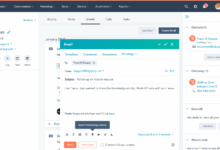

Overview of Top Cloud-Based CRM Platforms
Cloud-based CRM platforms are customer relationship management systems that are hosted on remote servers and accessed through the internet. They offer businesses the ability to manage customer interactions, track leads, and streamline sales processes in a secure and scalable environment.
There are several benefits of using cloud-based CRM platforms over traditional on-premise solutions:
- Lower upfront costs as there is no need to invest in expensive hardware or software
- Increased flexibility and accessibility as users can access the system from anywhere with an internet connection
- Automatic updates and maintenance, ensuring the system is always up-to-date with the latest features and security patches
- Scalability to accommodate business growth without the need for additional infrastructure
Choosing the right CRM platform is crucial for a business as it can impact customer relationships, sales efficiency, and overall business performance. When selecting a cloud-based CRM platform, key features to consider include:
- Customization options to tailor the system to specific business needs
- Integration capabilities with other tools and applications used by the business
- User-friendly interface for easy adoption by employees
- Data security measures to protect sensitive customer information
Comparison of Pricing Plans
| CRM Platform | Basic Plan | Standard Plan | Premium Plan |
|---|---|---|---|
| Platform A | $20/month | $50/month | $100/month |
| Platform B | $30/month | $60/month | $120/month |
Migration from On-Premise CRM to Cloud-Based CRM
- Evaluate current data in the on-premise CRM system
- Select a cloud-based CRM platform that meets business requirements
- Export data from the on-premise system in a compatible format
- Import data into the cloud-based CRM platform using provided tools or services
Tips for Customization and Optimization
- Define clear objectives and goals for using the CRM platform
- Create custom fields, workflows, and reports to align with business processes
- Train employees on how to effectively use the platform to maximize its benefits
- Regularly review and update system configurations based on feedback and performance metrics
Salesforce CRM
Salesforce CRM is a cloud-based customer relationship management platform that offers a wide range of features and functionalities to help businesses manage their customer interactions effectively.
Features and Functionalities
- Lead Management: Salesforce CRM allows businesses to track and manage leads efficiently, ensuring that no potential customer falls through the cracks.
- Opportunity Management: Users can easily track sales opportunities through various stages of the pipeline, helping them prioritize and close deals faster.
- Contact Management: The platform provides a centralized database for managing customer contacts, interactions, and communication history.
- Workflow Automation: Salesforce CRM automates repetitive tasks, streamlines processes, and improves overall efficiency.
- Customization: Users can customize the platform to suit their specific business needs, ensuring that it aligns with their unique processes and requirements.
Comparison with Other CRM Platforms
- Salesforce CRM vs. HubSpot CRM: While HubSpot CRM is more user-friendly and offers a free version, Salesforce CRM is known for its robust features, scalability, and customization options.
- Salesforce CRM vs. Zoho CRM: Zoho CRM is more affordable for small businesses, but Salesforce CRM shines in terms of integration capabilities, advanced analytics, and enterprise-level functionalities.
- Salesforce CRM vs. Microsoft Dynamics 365: While Microsoft Dynamics 365 offers tight integration with other Microsoft products, Salesforce CRM stands out for its extensive third-party integrations, AI capabilities, and community support.
Success Stories
One success story involves Coca-Cola, which used Salesforce CRM to streamline its sales processes, resulting in a 30% increase in revenue within a year.
Another example is Spotify, which leveraged Salesforce CRM to enhance its customer engagement strategies and saw a significant boost in user retention and satisfaction.
HubSpot CRM
HubSpot CRM is a popular cloud-based customer relationship management platform known for its user-friendly interface and comprehensive features that cater to the needs of sales and marketing teams.
Key Features of HubSpot CRM
- Intuitive Dashboard: HubSpot CRM offers a clean and easy-to-navigate dashboard, allowing users to quickly access important information and track their sales and marketing activities.
- Contact Management: The platform provides a centralized database for managing contacts, including lead scoring, email tracking, and interaction history.
- Sales Pipeline Management: HubSpot CRM enables users to visualize and track their sales pipeline, set reminders, and automate follow-up tasks.
- Marketing Automation: Users can create email campaigns, automate lead nurturing, and analyze campaign performance to improve marketing efforts.
Pricing Structure and Suitability
HubSpot CRM offers a free version with basic features, making it ideal for startups and small businesses on a tight budget. For more advanced functionalities, users can opt for the paid plans, which are scalable and suitable for medium to large enterprises.
Tips for Optimizing HubSpot CRM
- Customize Your Dashboard: Tailor the dashboard to display the most relevant metrics and information for your sales and marketing activities.
- Utilize Marketing Automation: Take advantage of HubSpot’s marketing automation tools to streamline your campaigns and nurture leads effectively.
- Integrate with Other Tools: Connect HubSpot CRM with other software applications, such as email marketing platforms or customer support tools, to enhance its functionality and improve workflow efficiency.
Zoho CRM
Zoho CRM is a powerful cloud-based customer relationship management platform that offers a wide range of features to help businesses manage their customer relationships effectively.
Unique Selling Points of Zoho CRM
- Customization: Zoho CRM provides extensive customization options, allowing users to tailor the system to meet their specific business needs.
- Affordability: Zoho CRM offers competitive pricing plans, making it a cost-effective solution for businesses of all sizes.
- Integration Capabilities: Zoho CRM seamlessly integrates with a variety of third-party applications, enhancing productivity and efficiency.
Pricing Plans Comparison
When comparing pricing plans, Zoho CRM stands out for its affordability. It offers a range of plans to suit different business needs, with features like lead scoring, workflow automation, and sales forecasting included in various packages.
Integrations with Zoho CRM
Zoho CRM offers integrations with popular business tools such as G Suite, MailChimp, and Zapier, allowing users to streamline their workflows and enhance productivity.
Setting up Email Campaigns in Zoho CRM
- Go to the Marketing module in Zoho CRM.
- Create a new email campaign and select your target audience.
- Design your email template and personalize it for your recipients.
- Schedule the email campaign and track its performance using Zoho CRM analytics.
Customization Options Comparison
| Zoho CRM | Salesforce |
|---|---|
| Extensive customization options available | Robust customization features |
| User-friendly interface for customization | Complex customization process |
| Cost-effective customization solutions | Higher customization costs |
Automation Features in Zoho CRM
Zoho CRM’s automation features, such as workflow rules and macros, help streamline sales processes by automating repetitive tasks and ensuring timely follow-ups with leads and customers.
Security Measures in Zoho CRM
Zoho CRM takes data security seriously and implements robust measures to protect sensitive information. This includes encryption, role-based access control, and regular security audits to ensure data integrity.
Microsoft Dynamics 365
Microsoft Dynamics 365 is a robust cloud-based CRM platform that offers a wide range of features designed to help businesses streamline their sales, marketing, and customer service processes. One of the key features that make it a popular choice for businesses is its seamless integration with other Microsoft products like Office 365, Outlook, and Power BI. This integration allows for a more cohesive and efficient workflow across different departments within an organization.
Setting up Microsoft Dynamics 365 for a New Business
To set up Microsoft Dynamics 365 for a new business, follow these steps:
- Create a Microsoft account and sign in to the Dynamics 365 portal.
- Select the type of subscription plan that best suits your business needs.
- Set up your CRM system by customizing fields, workflows, and automation processes.
- Import your existing customer data into the system to start managing your contacts and leads effectively.
- Train your team on how to use the platform efficiently to maximize its benefits for your business.
Pricing Plans for Microsoft Dynamics 365
Microsoft Dynamics 365 offers different pricing plans based on the specific needs of businesses. For small businesses, the most suitable option is the Dynamics 365 Business Central plan, which includes essential CRM features like sales, marketing, and customer service automation at a competitive price point. This plan is ideal for businesses looking to scale their operations without breaking the bank.
Integrations Available for Microsoft Dynamics 365
| CRM Platform | Integrations |
|---|---|
| Microsoft Dynamics 365 | Office 365, Outlook, Power BI |
| Salesforce CRM | Slack, Mailchimp, Zendesk |
| HubSpot CRM | Gmail, Zapier, Shopify |
| Zoho CRM | G Suite, QuickBooks, Dropbox |
Customization Options in Cloud-Based CRM Platforms
Customization plays a crucial role in tailoring cloud-based CRM platforms to meet the specific needs of businesses, improving user adoption and engagement, and enhancing data management and reporting capabilities. Let’s explore the level of customization available in some of the top cloud-based CRM platforms and how businesses can navigate these settings effectively.
Salesforce CRM Customization Features
- Salesforce offers extensive customization options through its point-and-click tools, allowing businesses to create custom fields, objects, workflows, and reports tailored to their unique requirements.
- Businesses can also use Salesforce AppExchange to access a wide range of third-party apps and integrations to further customize their CRM platform.
- Customization in Salesforce enables businesses to create personalized user interfaces, automated processes, and unique data models to streamline operations and improve productivity.
HubSpot CRM Customization Features
- HubSpot CRM provides customizable deal stages, properties, and pipelines to align with the sales process of different businesses.
- Users can create custom email templates, reports, and dashboards to track performance and analyze data effectively.
- The platform offers a visual editor for customizing the layout and design of CRM records, making it easy for users to personalize their workspace.
Zoho CRM Customization Features
- Zoho CRM allows businesses to customize modules, fields, layouts, and workflows to match their specific requirements.
- Users can create custom functions using Deluge scripting language to automate tasks and enhance CRM functionality.
- The platform offers integration with Zoho Marketplace for accessing additional extensions and integrations to extend the customization capabilities.
Navigating Customization Settings in Cloud-Based CRM Platforms
When navigating customization settings in a cloud-based CRM platform, businesses should start by identifying their unique needs and goals. They can then explore the available customization options provided by the platform and configure settings accordingly. It’s essential to test and iterate on customizations to ensure they align with business objectives and user requirements.
Impact of Customization on Data Management and Reporting
- Customization in CRM platforms can improve data management by allowing businesses to capture and store relevant information specific to their operations.
- Customized reports and dashboards enable businesses to analyze data effectively, identify trends, and make informed decisions based on real-time insights.
- By customizing data fields and workflows, businesses can ensure data accuracy, consistency, and accessibility across their organization.
Successful Customization Strategies in CRM Platforms
- One successful customization strategy is creating personalized automation workflows to streamline repetitive tasks and improve efficiency.
- Another strategy involves integrating CRM platforms with other business tools and systems to centralize data and enhance collaboration.
- Businesses can also implement custom security settings to control access to sensitive data and ensure compliance with industry regulations.
Data Security and Compliance in Cloud CRM
When it comes to cloud-based CRM platforms, data security and compliance are crucial aspects to consider. Let’s delve into the measures taken by top providers to ensure the protection of user data and adherence to industry standards.
Security Measures and Compliance Standards
- Top cloud CRM platforms like Salesforce, HubSpot, Zoho, and Microsoft Dynamics 365 implement robust security measures such as data encryption, firewalls, and multi-factor authentication to protect user data.
- These platforms also adhere to strict compliance standards like GDPR (General Data Protection Regulation) and HIPAA (Health Insurance Portability and Accountability Act) to ensure the privacy and security of sensitive information.
- Best practices for ensuring data security and compliance while using cloud CRM platforms include regularly updating security patches, providing employee training on data protection, and conducting regular security audits.
Encryption Methods and Access Control
- Cloud CRM platforms commonly use encryption methods like SSL (Secure Sockets Layer) and TLS (Transport Layer Security) to secure sensitive data during transit.
- Access control mechanisms across different cloud CRM providers vary but typically include role-based access control, user permissions, and IP restrictions to manage data access and prevent unauthorized entry.
Data Backup and Disaster Recovery
- Procedures for data backup and disaster recovery in cloud CRM systems involve regular backups of data to secure cloud servers and off-site locations to ensure data availability in case of system failures or disasters.
Security Audits and Assessments
- Regular security audits and assessments on cloud CRM platforms involve conducting vulnerability scans, penetration testing, and compliance checks to identify and rectify any security loopholes or risks.
Mobile Accessibility Features
Mobile accessibility features play a crucial role in enhancing the usability of cloud-based CRM platforms, especially for remote and field teams who rely on real-time data access. Let’s explore the key aspects of mobile CRM capabilities and how they contribute to productivity and efficiency.
Mobile CRM Capabilities
- Leading cloud-based CRM platforms like Salesforce CRM, HubSpot CRM, Zoho CRM, and Microsoft Dynamics 365 offer dedicated mobile applications for iOS and Android devices.
- Mobile CRM apps enable users to access customer information, manage leads, track sales activities, and collaborate with team members on the go.
- Features like offline access, push notifications, and GPS integration enhance the user experience and ensure seamless communication with the CRM system.
Importance of Mobile CRM for Remote Teams
- Remote teams can stay connected and updated with real-time data, allowing them to respond quickly to customer inquiries and make informed decisions.
- Mobile CRM capabilities facilitate remote collaboration, ensuring that team members can work together efficiently regardless of their physical location.
- Access to mobile CRM apps empowers field teams to update information, log activities, and capture leads directly from the field, improving productivity and accuracy.
Maximizing Productivity with Mobile CRM
- Encourage users to customize their mobile CRM settings to prioritize key tasks, set reminders, and personalize their user interface for optimal efficiency.
- Utilize features like voice-to-text input, calendar integration, and task management tools to streamline workflow and reduce manual data entry.
- Regularly update the mobile CRM app to access new features, bug fixes, and security enhancements that can further boost productivity.
Security Measures for Mobile CRM Access
- Leading cloud-based CRM platforms implement robust security protocols to protect CRM data on mobile devices, including encryption, multi-factor authentication, and remote data wipe capabilities.
- Users should adhere to best practices like using strong passwords, enabling biometric authentication, and avoiding public Wi-Fi networks to minimize security risks.
- Regularly review and update security settings in the mobile CRM app to ensure compliance with data protection regulations and industry standards.
Customizing Mobile CRM Settings
- Access the settings menu in the mobile CRM app to adjust preferences for notifications, layout, data synchronization, and offline access.
- Enable or disable specific features based on individual preferences, such as location tracking, contact syncing, and calendar integration.
- Experiment with different customization options to find the most efficient setup that aligns with your workflow and communication needs.
Offline Functionality in Mobile CRM Apps
- Offline functionality allows users to access and modify CRM data without an internet connection, ensuring continuity of work in areas with poor connectivity.
- Data synchronization features automatically update changes made offline once the device reconnects to the internet, ensuring data consistency across all devices.
- Offline access is particularly beneficial for field teams operating in remote locations or areas with limited network coverage, improving user experience and productivity.
Integration Capabilities with Third-Party Tools
When it comes to cloud-based CRM platforms, the ability to seamlessly integrate with third-party tools can significantly enhance the overall efficiency and productivity of a business. Let’s explore the common integrations available with the top CRM platforms and discuss the benefits of integrating CRM with other business tools.
Common Integrations Available
- Integration with Marketing Automation Tools: Most CRM platforms offer integrations with popular marketing automation tools such as Mailchimp, Marketo, and Pardot. This integration allows for seamless synchronization of customer data and marketing campaigns.
- Integration with Accounting Software: Many CRM platforms like Salesforce and Zoho CRM provide integrations with accounting software like QuickBooks and Xero. This integration streamlines the process of managing customer invoices, payments, and financial data.
- Integration with E-commerce Platforms: CRM platforms often integrate with e-commerce platforms such as Shopify, Magento, and WooCommerce. This integration enables businesses to track customer purchases, manage orders, and provide personalized shopping experiences.
Benefits of Integrating CRM Platforms
- Improved Data Accuracy: Integrating CRM with other business tools ensures that customer data remains consistent across all platforms, reducing errors and duplication.
- Enhanced Collaboration: Integration allows different teams within an organization to access real-time customer information, leading to improved collaboration and decision-making.
- Automated Workflows: Integrating CRM with other tools automates repetitive tasks, saving time and resources while increasing overall productivity.
Examples of Successful Integrations
- HubSpot CRM and Mailchimp: By integrating HubSpot CRM with Mailchimp, businesses can create targeted email campaigns based on customer interactions and behaviors tracked in the CRM.
- Salesforce CRM and QuickBooks: Integrating Salesforce CRM with QuickBooks allows for seamless synchronization of customer data and financial information, streamlining the sales and accounting processes.
- Zoho CRM and Shopify: The integration between Zoho CRM and Shopify enables businesses to track customer interactions, manage orders, and provide personalized customer experiences, all within a single platform.
User Interface and User Experience Design
In the realm of cloud-based CRM platforms, user interface and user experience design play a crucial role in ensuring the efficiency and effectiveness of the software. A well-designed UI/UX can greatly impact user adoption rates and overall satisfaction with the platform.
Importance of Intuitive UX Design in CRM Software
Intuitive UX design is essential in CRM software as it directly impacts how easily users can navigate the platform, access information, and perform tasks. Here are some suggestions for improving user experience in cloud CRM platforms:
- Streamline Navigation: Simplify the menu structure and ensure that users can easily find the features they need.
- Personalization Options: Allow users to customize their dashboards and settings to suit their individual preferences and workflows.
- Responsive Design: Ensure that the CRM platform is optimized for various devices and screen sizes to provide a seamless user experience.
- Visual Hierarchy: Use clear visual cues such as contrasting colors, icons, and typography to guide users’ attention to important information.
- Feedback Mechanisms: Implement feedback tools to gather user input and continuously improve the platform based on user suggestions.
Customer Support and Training Resources
Customer support and training resources play a crucial role in helping users optimize their experience with cloud-based CRM platforms. Let’s explore the offerings of top CRM platforms in this area.
Customer Support Options
- Salesforce CRM: Salesforce offers 24/7 customer support via phone, email, and live chat. Users can also access a community forum for peer-to-peer support.
- HubSpot CRM: HubSpot provides customer support through email and live chat. They also offer an extensive knowledge base and training resources.
- Zoho CRM: Zoho offers customer support through phone, email, and live chat. Users can access online documentation and user forums for assistance.
Training Resources Availability
- Salesforce CRM: Salesforce provides a wide range of training resources, including webinars, online tutorials, and in-person training sessions.
- HubSpot CRM: HubSpot offers comprehensive online courses, certifications, and webinars to help users learn and optimize their CRM usage.
- Zoho CRM: Zoho provides online tutorials, webinars, and documentation to guide users in getting started and mastering the platform.
Leveraging Support and Training
To make the most of customer support and training resources:
- Regularly check for updates and new resources provided by the CRM platform.
- Engage in community forums and discussions to learn from other users’ experiences and solutions.
- Attend webinars and training sessions to deepen your understanding of the CRM platform features and functionalities.
Response Time and Effectiveness
- Salesforce CRM: Known for its quick response time and effective solutions to user queries.
- HubSpot CRM: Generally prompt in addressing user issues with satisfactory resolutions.
- Zoho CRM: Offers timely responses but may vary in effectiveness based on the complexity of the query.
Accessing Online Tutorials or Webinars
To access and utilize online tutorials or webinars from a specific CRM platform:
- Log in to your CRM platform account.
- Look for the “Resources” or “Help” section in the dashboard.
- Click on the “Tutorials” or “Webinars” tab to explore the available resources.
- Select the topic of interest and follow the instructions provided in the tutorial or webinar.
Common Issues and Solutions
Common issues faced by CRM platform users:
- Data synchronization errors
- User adoption challenges
- Lack of integration with other tools
Strategies to address these challenges include regular data audits, comprehensive user training, and utilizing third-party integration tools.
User Feedback Survey
Conducting a survey among CRM platform users can provide valuable insights into the effectiveness of customer support and training resources. Analyzing the feedback can help identify areas for improvement and enhance user satisfaction.
Reporting and Analytics Capabilities
In the realm of cloud-based CRM platforms, reporting and analytics play a crucial role in providing businesses with valuable insights to make informed decisions and drive growth. Let’s delve into the reporting and analytics features available in the top CRM platforms and explore how data analytics can empower businesses.
Salesforce CRM
Salesforce CRM offers robust reporting and analytics capabilities, allowing users to create custom reports, dashboards, and charts to visualize data. With features like Einstein Analytics, users can leverage AI-driven insights to forecast sales, identify trends, and optimize performance.
HubSpot CRM
HubSpot CRM provides users with detailed reporting tools to track sales activities, monitor pipeline performance, and measure the effectiveness of marketing campaigns. With customizable dashboards and reporting templates, businesses can gain actionable insights to improve sales and marketing strategies.
Zoho CRM
Zoho CRM offers advanced analytics tools that enable users to analyze customer data, track sales metrics, and measure campaign performance. With AI-powered insights, businesses can identify cross-selling opportunities, forecast revenue, and enhance customer engagement strategies.
Microsoft Dynamics 365
Microsoft Dynamics 365 integrates powerful analytics capabilities, allowing users to analyze customer interactions, track sales performance, and generate predictive analytics. With real-time insights and customizable reports, businesses can optimize operations and drive revenue growth.
Role of Data Analytics in Driving Business Decisions
Data analytics plays a pivotal role in CRM platforms by transforming raw data into actionable insights. By analyzing customer behavior, sales trends, and marketing ROI, businesses can make data-driven decisions to enhance customer relationships, improve operational efficiency, and drive revenue growth.
Examples of Actionable Insights
– Identify high-value customers and personalize marketing campaigns to increase customer retention.
– Analyze sales performance metrics to optimize sales strategies and forecast revenue projections.
– Measure customer satisfaction scores to improve service delivery and enhance customer loyalty.
Industry-Specific Solutions
In today’s competitive business landscape, having industry-specific solutions in cloud-based CRM platforms can provide companies with a competitive edge by addressing unique needs and requirements of different sectors.
Healthcare CRM Solutions
- Healthcare CRM platforms offer features like patient management, appointment scheduling, and medical record integration to streamline operations.
- These solutions ensure compliance with healthcare regulations such as HIPAA and help in maintaining patient confidentiality.
- Successful implementation example: A large hospital chain implemented a healthcare CRM solution to centralize patient data, leading to improved care coordination and patient satisfaction.
Real Estate CRM Solutions
- Real estate CRM platforms come equipped with tools for managing property listings, tracking leads, and automating communication with clients.
- These solutions can help real estate agents personalize their interactions with clients and manage transactions more efficiently.
- Successful implementation example: A real estate agency saw a significant increase in sales conversions after implementing a CRM solution tailored to the real estate industry.
Retail CRM Solutions
- Retail CRM platforms offer features like customer segmentation, loyalty program management, and inventory tracking to help retailers deliver personalized shopping experiences.
- These solutions enable retailers to analyze customer behavior and preferences to drive targeted marketing campaigns and promotions.
- Successful implementation example: A global retail chain improved customer retention and loyalty by implementing a retail CRM solution that integrated with their e-commerce platform.
Migration Process and Data Portability
When transitioning to a new cloud-based CRM platform, the migration process plays a crucial role in ensuring a smooth transfer of data and operations. It involves several steps such as data transfer, system configuration, and user training to successfully onboard the new system.
Data Transfer Steps
- Evaluate current data: Assess the existing data structure, quality, and relevance before migrating.
- Data mapping: Map the data fields from the old CRM to the new platform to ensure a seamless transition.
- Data cleansing: Clean up and standardize the data to maintain accuracy during migration.
- Data validation: Verify the accuracy and completeness of transferred data to avoid any discrepancies.
Challenges in Data Migration
- Data integrity issues: Ensuring data consistency and accuracy throughout the migration process.
- Mapping discrepancies: Addressing differences in data structure and format between the old and new systems.
- Downtime risks: Minimizing downtime during data migration to prevent disruptions in business operations.
Best Practices for Smooth Migration
- Thorough data analysis: Understand the data landscape to plan an effective migration strategy.
- Data quality standards: Establish guidelines for data accuracy, completeness, and consistency.
- Regular system testing: Conduct testing phases to validate data transfer and system functionality.
Ensuring Data Portability
- Data backup: Maintain regular backups of data to prevent loss during migration or system updates.
- Version control: Keep track of data versions to ensure continuity and traceability.
- Data protection compliance: Adhere to data protection regulations to safeguard data privacy and security.
Future Trends in Cloud-Based CRM
The landscape of cloud-based CRM platforms is continuously evolving to meet the changing needs and demands of businesses and customers alike. Let’s explore some of the upcoming trends that are shaping the future of CRM technology.
AI and Automation Integration
With the advancements in artificial intelligence (AI) and automation, the integration of these technologies into CRM platforms is becoming more prevalent. AI-powered tools can analyze vast amounts of data to provide valuable insights, automate routine tasks, and personalize customer interactions. This trend is expected to continue as businesses seek to streamline processes and enhance customer experiences.
- AI-driven predictive analytics for sales forecasting and lead scoring.
- Automated chatbots for customer service and support.
- Personalization engines to tailor marketing campaigns based on individual customer preferences.
Evolving Customer Expectations
As customer expectations continue to evolve, CRM platforms are adapting to meet these changing demands. Customers now expect personalized experiences, seamless omnichannel interactions, and proactive engagement from businesses. CRM systems are incorporating features to cater to these expectations and provide a more holistic view of the customer journey.
- Integration of social media listening tools to track customer sentiment and engagement.
- Enhanced mobile capabilities for real-time access to customer data on the go.
- AI-powered recommendation engines to suggest personalized products or services.
Last Recap
In conclusion, the realm of cloud-based CRM platforms is vast and ever-evolving, offering businesses the tools they need to succeed in a competitive market. By harnessing the power of these platforms, companies can drive growth, improve customer relationships, and achieve long-term success.
