Starting with Salesforce CRM pricing, this article dives into the various pricing plans, features, and comparisons to help you make an informed decision.
Overview of Salesforce CRM Pricing
When it comes to Salesforce CRM pricing, the platform offers a variety of plans to cater to different business needs and budgets. Each pricing tier comes with its own set of features and capabilities designed to help organizations optimize their customer relationship management.
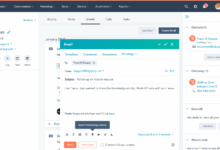

Essentials Plan
- Designed for small businesses looking to get started with CRM
- Includes basic contact management and email integration
- Affordable pricing suitable for startups and small teams
Professional Plan
- More advanced features like lead scoring and forecasting
- Ideal for growing businesses with larger customer bases
- Customizable dashboards for real-time insights
Enterprise Plan
- Advanced customization options and workflow automation
- Enhanced security features and access controls
- Support for larger-scale operations and complex business processes
Unlimited Plan
- Ultimate scalability for large enterprises with extensive CRM needs
- 24/7 support and dedicated customer success manager
- Additional storage and data backup options for peace of mind
Key Differences in Pricing Models
- The Essentials Plan is the most cost-effective option for small businesses
- The Enterprise Plan offers advanced features and customization for larger organizations
- The Unlimited Plan provides ultimate scalability and support for enterprise-level requirements
Factors Affecting Salesforce CRM Pricing
When it comes to the pricing of Salesforce CRM, several factors play a crucial role in determining the overall cost. Let’s dive into the key aspects that influence the pricing structure of Salesforce CRM.
Impact of Company Size and Industry-Specific Needs
The size of a company and its industry-specific requirements can significantly impact the pricing of Salesforce CRM. Larger organizations with complex needs may require more advanced features and customization, leading to higher costs compared to smaller businesses with simpler needs.
Examples of Add-Ons and Customization
Add-ons and customization options such as third-party integrations, advanced analytics modules, or custom reporting tools can add to the base price of Salesforce CRM. These additional features cater to specific needs and can enhance the functionality of the CRM system, but they come at an extra cost.
User Licenses and Storage Limits
User licenses and storage limits are important factors in Salesforce CRM pricing. Different license types, such as Sales Cloud or Service Cloud, come at varying price points based on the features offered. Additionally, exceeding storage limits can result in additional charges, so it’s essential to monitor and manage data storage effectively.
Pricing Tiers Comparison
| Tier | Features | Pricing |
|---|---|---|
| Basic | Standard features | $$ |
| Advanced | Advanced features, customization | $$$ |
| Enterprise | Enterprise-level features, full customization | $$$$ |
Role of Contract Length and Payment Plans
The length of the contract and payment plans chosen can impact the overall pricing structure of Salesforce CRM. Longer contracts may offer discounts or lower monthly rates, while flexible payment plans can help distribute costs more evenly over time. It’s essential to consider these factors when selecting a pricing plan that aligns with your budget and needs.
Pricing Comparison with Competitors
In the competitive landscape of CRM platforms, it is crucial to understand how Salesforce CRM pricing stacks up against other popular providers. Let’s delve into a comparison to identify key differences and unique selling points that justify these variations.
Salesforce CRM vs. Competitors
When comparing Salesforce CRM pricing with competitors like Microsoft Dynamics 365 and HubSpot CRM, several factors come into play. Salesforce is known for its robust features, extensive customization options, and scalability, which often justify its higher price point. On the other hand, Microsoft Dynamics 365 offers seamless integration with other Microsoft products, while HubSpot CRM is praised for its user-friendly interface and marketing automation capabilities.
- Salesforce CRM: Known for its comprehensive suite of tools, advanced analytics, and AI-powered insights, Salesforce caters to large enterprises with complex needs.
- Microsoft Dynamics 365: With a focus on seamless integration with Microsoft Office and Azure, Dynamics 365 is a popular choice for organizations already using Microsoft products.
- HubSpot CRM: Valued for its user-friendly interface, robust marketing automation features, and affordable pricing, HubSpot CRM appeals to small and medium-sized businesses.
It’s essential to consider your organization’s specific requirements and growth trajectory when evaluating CRM pricing options.
Discounts and Promotions
When it comes to Salesforce CRM pricing, organizations can benefit from various discounts and promotions that are periodically offered. These special deals can help businesses save on costs while still enjoying the functionalities of Salesforce CRM.
Current Discounts and Promotions
Currently, Salesforce offers discounts on their CRM packages for eligible organizations. These discounts can range from percentage reductions on subscription fees to free add-on features for a limited time.
- Discounted rates for non-profit organizations
- Special promotions for new customers
- Seasonal discounts during holidays or special events
Step-by-Step Guidance for Applying and Redeeming Offers
Organizations interested in availing discounts or promotions for Salesforce CRM packages can follow these steps:
- Visit the official Salesforce website and navigate to the pricing page
- Check for any ongoing promotions or discounts available
- Fill out the necessary information and select the desired package
- Apply the discount code during the checkout process
- Complete the payment and enjoy the discounted rate
Comparison Table of Pricing Deals
| Package | Regular Price | Discounted Price |
|---|---|---|
| Starter | $X/month | $Y/month (20% off) |
| Professional | $A/month | $B/month (15% off) |
| Enterprise | $C/month | $D/month (10% off) |
Eligibility Criteria for Discounted Rates
To qualify for discounted rates on Salesforce CRM packages, organizations typically need to meet certain criteria such as:
- Being a non-profit organization
- Signing up for a minimum contract duration
- Participating in specific promotional events
Case Study: Successful Implementation with Promotional Offer
Company XYZ, a non-profit organization, implemented Salesforce CRM during a special promotion period where they received a 25% discount on their subscription. This allowed them to streamline their operations and improve donor management while staying within their budget constraints.
Hidden Costs and Considerations
When considering Salesforce CRM pricing, it’s crucial to be aware of any hidden costs that may arise throughout the implementation and usage process. These additional expenses can impact your budget and overall cost of ownership over time.
Implementation and Usage Expenses
- Customization Costs: Tailoring Salesforce CRM to meet specific business needs can incur additional expenses, especially if extensive customization is required.
- Data Migration Fees: Moving existing data into the CRM system may involve costs for data cleanup, mapping, and migration services.
- Training and Support: Investing in user training and ongoing support services is essential for maximizing the CRM’s effectiveness but can add to the overall expenses.
Budgeting Strategies
- Allocate a buffer for unexpected costs: Set aside a contingency fund to cover any unforeseen expenses that may arise during implementation or usage.
- Consult with experts: Seek guidance from Salesforce consultants or experts to get a clear understanding of all potential costs and create a realistic budget.
Factors Impacting Total Cost of Ownership
- Scalability: As your business grows or if new features are added, the cost of scaling up or expanding the CRM can lead to increased expenses.
- Integration with third-party applications: Connecting Salesforce CRM with other tools or systems may involve integration costs that should be factored into the budget.
Customization Options and Pricing
Customization plays a crucial role in shaping the overall pricing of Salesforce CRM solutions. Businesses can tailor the platform to meet their specific needs, but this customization comes at a cost. Let’s explore how customization options impact pricing and the various features available at different pricing tiers.
Customization Features at Different Pricing Tiers
- Basic Package: Includes simple customization options like adding custom fields or changing layouts.
- Standard Package: Offers more advanced features such as workflow automation and custom reporting.
- Premium Package: Provides extensive customization capabilities like creating custom applications and integrations.
Cost Implications of Tailored Solutions
Customized solutions tailored to specific business needs can significantly impact pricing. The more complex the customization, the higher the cost involved. Businesses must weigh the benefits of tailored solutions against the additional expenses incurred.
Pricing Structure Comparison
- Basic Package: Typically has a lower upfront cost but limited customization features.
- Standard Package: Offers a balance between cost and customization capabilities.
- Premium Package: Involves a higher cost but provides extensive customization options for complex requirements.
Additional Costs for Advanced Customization
Advanced customization options may incur extra costs, such as hiring Salesforce developers or purchasing add-on modules. These additional expenses should be factored into the overall budget when considering extensive customization.
Requesting a Custom Solution Quote
To get a custom solution quote from Salesforce, businesses can reach out to their sales representatives or use the online quote request form. This process involves detailing the specific customization requirements to receive an accurate pricing estimate.
ROI of Extensive Customization
Investing in extensive customization for long-term business growth can yield a high return on investment. Customized solutions tailored to unique business processes can enhance efficiency, productivity, and overall performance, leading to increased ROI over time.
Scalability Benefits of Customizable Features
Choosing customizable features in Salesforce CRM offers scalability benefits. Businesses can adapt the platform to evolving needs, easily integrate new functionalities, and expand the system as the organization grows, ensuring long-term flexibility and scalability.
Contract Terms and Renewal Policies
In this section, we will delve into the contract terms and renewal policies offered by Salesforce for CRM subscriptions.
Contract Terms Offered by Salesforce
- Salesforce offers flexible contract terms ranging from monthly to annual subscriptions.
- Customers can choose between different pricing plans based on their needs and budget.
- There are options for customization and scalability within the contract terms.
Renewal Policies and Price Changes
- When it comes to renewal, Salesforce allows for seamless transition and provides notification well in advance.
- Price changes upon renewal are usually communicated clearly to customers.
- Customers have the option to renegotiate terms during the renewal process.
Flexibility of Contract Terms
- Salesforce offers flexibility in contract terms depending on the pricing plan chosen.
- Customers can easily upgrade or downgrade their subscription plans as needed.
- There are options for long-term commitments or more short-term agreements.
Comparison with Competitors
| Features | Salesforce | Competitor A | Competitor B |
|---|---|---|---|
| Contract Terms | Flexible options | Fixed terms | Variable terms |
| Renewal Policies | Clear communication | Limited flexibility | Transparent process |
When reviewing contract terms, it is crucial to consider the level of flexibility, renewal policies, and any potential price changes that may occur.
Renewal Process Flowchart
[Include a flowchart illustrating the steps involved in the renewal process for a Salesforce CRM subscription.]
Integration Costs and Compatibility
When considering Salesforce CRM pricing, it is essential to factor in the costs associated with integrating the CRM with other tools or systems. Integration can greatly enhance the functionality of Salesforce CRM, but it can also impact pricing significantly.
Types of Integration and Costs
- Third-party Software Integration: Integrating Salesforce CRM with third-party software such as marketing automation tools or accounting systems can incur costs for customization and setup. These costs can vary depending on the complexity of the integration and the level of customization required.
- API Integration: Utilizing Salesforce’s API to integrate with other systems or applications may require development work and ongoing maintenance. Costs can include API access fees, developer resources, and potential licensing fees for third-party APIs.
- Data Migration: Moving data from existing systems to Salesforce CRM can also be a significant cost factor. Data migration costs can vary based on the volume of data, data complexity, and the need for data cleansing or transformation.
Compatibility Issues and Impact on Pricing
Compatibility issues between Salesforce CRM and other systems can lead to additional development work and customization, resulting in higher integration costs. Ensuring compatibility upfront can help minimize unexpected expenses.
Examples of Common Integrations and Costs
| Integration | Costs |
|---|---|
| Integration with MailChimp for email marketing | $500-$2000 for setup and customization |
| Integration with QuickBooks for accounting | $1000-$5000 for configuration and data migration |
| Custom API integration with a proprietary system | $2000-$10000 for development and ongoing support |
Support and Training Costs
Investing in support and training services for Salesforce CRM can have a significant impact on the overall pricing of the system. Let’s delve into the various options available and how they can benefit your organization.
Support Options and Costs
- Salesforce offers different support tiers, ranging from basic to premium levels, each with varying costs.
- Basic support typically includes online case submissions and access to the knowledge base, while premium support may offer phone support and faster response times.
- Costs for support can range from a percentage of your Salesforce subscription fee to a fixed annual fee, depending on the tier you choose.
- Additional fees may apply for services like dedicated technical account managers or on-site support visits.
Training Programs and Pricing
- Salesforce provides various training formats such as online courses, webinars, and in-person workshops, each with different pricing structures.
- Training costs can vary based on the complexity and duration of the program, with options for individual or group training sessions.
- Certification programs are also available, with costs associated with exams, study materials, and training courses to prepare for certification.
Benefits of Investing in Support and Training
- Advanced training for employees can lead to increased efficiency and effectiveness in CRM usage, ultimately improving ROI.
- Having access to dedicated support can help resolve issues quickly and ensure smooth operation of the CRM system.
- Investing in training can empower your team to make the most out of Salesforce’s features and functionalities, maximizing the value of your investment.
Scalability and Pricing
When it comes to Salesforce CRM pricing, scalability plays a crucial role in determining the cost implications for organizations. As businesses expand and evolve, the pricing structure of Salesforce CRM must be flexible enough to accommodate these changes.
Impact of Scaling on Pricing
- As an organization grows, the pricing of Salesforce CRM may increase based on the number of users, data storage requirements, and additional features needed.
- Conversely, when scaling down or reducing the usage of Salesforce CRM, organizations may be able to adjust their pricing to align with the decreased usage.
- The cost implications of scaling within Salesforce CRM can vary significantly depending on the specific needs and growth trajectory of each organization.
Pricing Models for Scalability
- Salesforce CRM offers different pricing models for small, medium, and large organizations to cater to their unique scalability requirements.
- These models may include tiered pricing based on the number of users, usage limits, or customizable plans tailored to specific business needs.
Cost Breakdown Chart
| Scalability Option | Cost Breakdown |
|---|---|
| Small Organization | Breakdown of costs for small organizations |
| Medium Organization | Breakdown of costs for medium organizations |
| Large Organization | Breakdown of costs for large organizations |
Customization Impact on Pricing
- Customization of Salesforce CRM solutions can have cost implications as organizations scale, as additional features and integrations may require higher pricing tiers.
- Organizations should carefully evaluate the impact of customization on pricing to ensure that they are investing in solutions that align with their growth plans.
Industry-specific Pricing Considerations
In the realm of Salesforce CRM pricing, it’s crucial to recognize the impact of industry-specific factors on cost structures. Various sectors have unique requirements and demands, influencing pricing strategies tailored to cater to their distinct needs.
Healthcare Sector
- Healthcare organizations often require specialized features such as HIPAA compliance and patient data security, leading to customized pricing packages.
- Salesforce offers industry-specific solutions like Health Cloud with pricing models designed to meet the unique demands of healthcare providers.
- Integration with Electronic Health Records (EHR) systems may incur additional costs, impacting overall pricing for healthcare clients.
Financial Services Industry
- Financial institutions prioritize data security, regulatory compliance, and scalability, resulting in pricing structures that reflect these requirements.
- Salesforce provides tailored solutions like Financial Services Cloud with pricing options aligned with the complex needs of banks, insurance companies, and investment firms.
- Integration with core banking systems and third-party financial tools can influence pricing considerations for clients in the financial services sector.
Retail and E-commerce
- Retail businesses focus on customer engagement, omnichannel experiences, and inventory management, influencing pricing strategies that cater to these priorities.
- Salesforce offers Retail Cloud solutions with pricing models that address the unique challenges faced by online and brick-and-mortar retailers.
- Integration with e-commerce platforms, POS systems, and marketing automation tools may impact pricing for retail clients utilizing Salesforce CRM.
Customer Reviews and Satisfaction
Customer reviews play a crucial role in shaping perceptions about Salesforce CRM pricing. The way organizations perceive the value of Salesforce CRM is heavily influenced by pricing. Let’s dive deeper into how customer reviews and satisfaction are impacted by pricing.
Customer Reviews Analysis
- Customer reviews related to Salesforce CRM pricing often highlight the transparency and flexibility of pricing plans offered by Salesforce.
- Customers appreciate the scalability of pricing options, allowing them to start small and expand as their business grows.
- Some reviews mention the competitive pricing compared to similar CRM solutions in the market.
Impact on Customer Satisfaction and Retention
- Transparent and flexible pricing structures contribute to higher customer satisfaction as organizations feel they are getting value for their investment.
- Organizations that find Salesforce CRM pricing aligned with their budget are more likely to renew their subscriptions, leading to better customer retention rates.
- Complex pricing models or hidden costs can lead to dissatisfaction among customers, impacting their overall experience with the CRM platform.
Perceived Value of Salesforce CRM
- Many organizations perceive Salesforce CRM as a premium solution due to its pricing, associating higher costs with greater functionality and support.
- Customer reviews often mention the positive impact of Salesforce CRM on their business operations, indicating a strong belief in the value delivered by the platform.
- Organizations that see a clear ROI from using Salesforce CRM are more likely to view the pricing as justified and reasonable, contributing to higher satisfaction levels.
Negotiation Strategies for Pricing
Negotiating pricing deals with Salesforce can be a crucial step in optimizing your CRM costs. By employing effective negotiation strategies, organizations can secure better deals and maximize the value of their investment in Salesforce CRM.
Understanding Your Needs and Budget
- Before entering into negotiations with Salesforce, it is essential to have a clear understanding of your organization’s specific needs and budget constraints.
- Identify the key features and functionalities that are essential for your business operations, and prioritize them during negotiations.
- Establish a budget range that is realistic for your organization, taking into account the value that Salesforce CRM can bring to your business.
Leveraging Data and Metrics
- Utilize data and metrics to demonstrate the potential impact of Salesforce CRM on your business outcomes.
- Present key performance indicators (KPIs) and success metrics that showcase the value of implementing Salesforce CRM to the Salesforce sales team.
- Highlight how Salesforce CRM can drive revenue growth, improve customer satisfaction, and streamline business processes to strengthen your negotiation position.
Building Relationships and Demonstrating Commitment
- Establish a strong relationship with the Salesforce sales team by demonstrating your commitment to a long-term partnership.
- Showcase your organization’s dedication to leveraging Salesforce CRM as a strategic asset for growth and innovation.
- Engage in open communication and collaboration with Salesforce representatives to build trust and foster a mutually beneficial negotiation process.
Outcome Summary
To wrap up, we’ve covered the essential aspects of Salesforce CRM pricing, shedding light on what sets it apart in the competitive market.
